
Our Story: Building SPIRIT Together
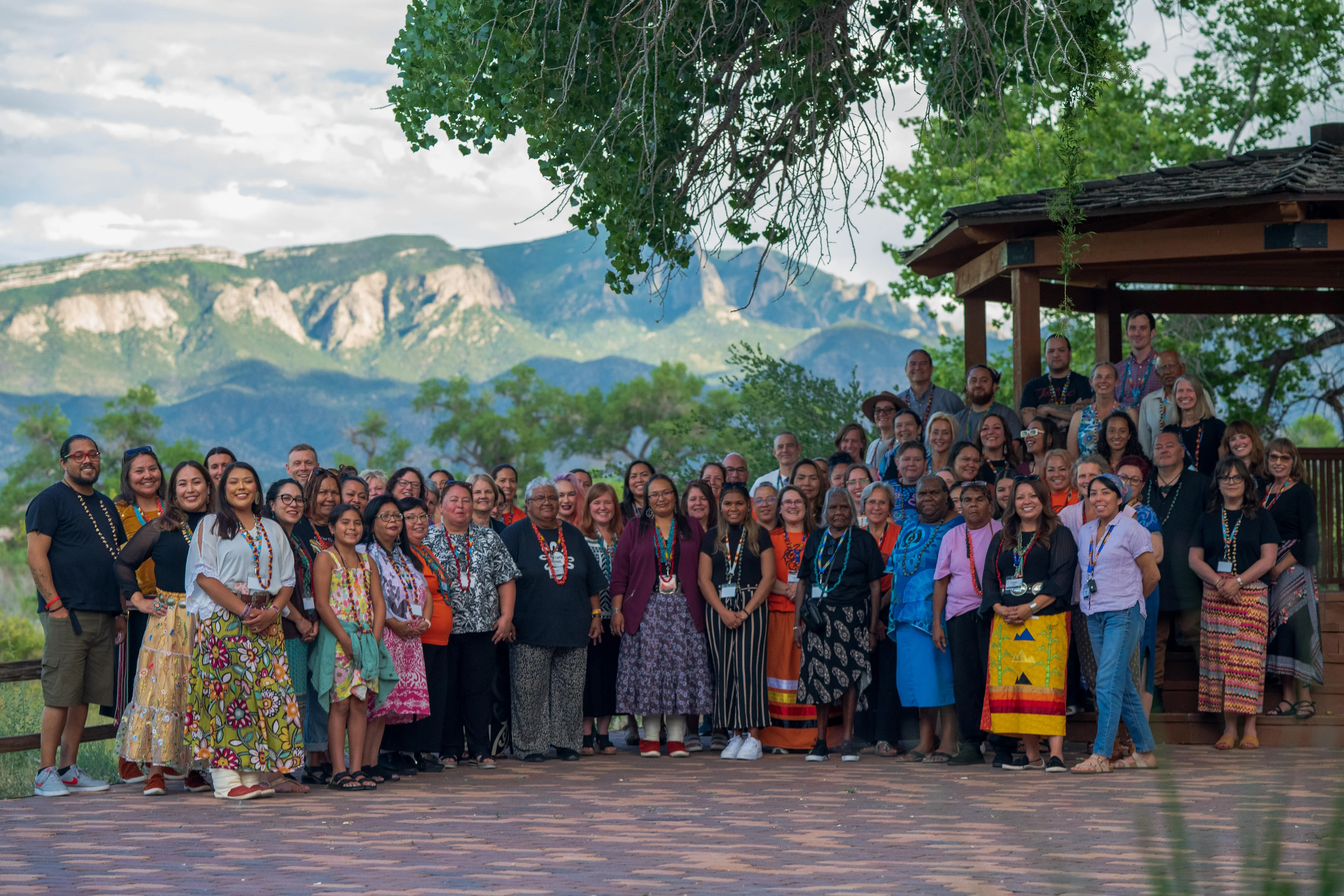
Ever since Family Spirit’s beginnings in the mid-1990s, there has been a shared dream among Center staff to bring Indigenous-grounded home visits to First Nation communities around the world. In December 2022, that dream became a reality when the Johns Hopkins Center for Indigenous Health was named a top international winner of the LEGO Foundation’s Build A World of Play Challenge, receiving $28 million over five years to launch the SPIRIT project: Supporting Play and Intergenerational Relationships with Indigenous Traditions.
SPIRIT brings together two interconnected efforts:
1. Sharing and adapting our Family Spirit home visiting program internationally, and
2. Co-creating intergenerational, nature-based playspaces in 20 Indigenous communities across the United States, Canada, Australia and Aotearoa (New Zealand).
At its heart, SPIRIT is about creating a world that knows, embraces, and supports Indigenous children and their caregivers. Sophia Taula Lieras, who brings over a decade of experience in the home-visiting field, including years of training others in the Family Spirit curriculum, now leads SPIRIT as the Project Director. For her, this initiative is a natural evolution of the Center’s mission to champion thriving Indigenous communities worldwide.
The home visiting component of SPIRIT centers family well-being within Indigenous cultural values. Home visitors provide support for caregivers, strengthen family capacity, and connect families to community resources, local gatherings, and cultural pathways for reclaiming positive identity. These strengths give energy to overcome systemic inequities, such as poor access to water, healthy food, electricity, and basic services. The nurturing of cultural identity – through stories, relationships, and local knowledge – remains foundational to family and community resilience.
Indigenous play has always been a form of medicine – strengthening body, mind, and spirit. It is through play that children learn alongside and across generations: from parents, aunties, uncles, grandparents, elders, siblings, cousins, and the natural world itself. The Indigenous-designed playspaces developed through SPIRIT honor these intergenerational relationships by drawing upon each community’s environment, stories, and values. Across many Indigenous lands in the U.S. and beyond, safe and culturally grounded places for children and their relatives to gather, teach, and play together have been scarce. SPIRIT aims to change that by creating spaces where children can explore and grow, while being held and guided by multiple generations.
To steward this work globally, the Center for Indigenous Health has partnered with organizations across British Columbia, Aotearoa (New Zealand), and Australia that support Indigenous wellbeing, including:
· First Nations Health Authority,
· Te Rōpū Rangahau Hauora a Eru Pōmare at the University of Otago,
· and The University of Queensland.
Each partner is working with communities that embody the heart of this project within their own cultural context. More information about our collective network can be found on our website.
Our Story: Building SPIRIT TogetherTogether we are growing a movement that uplifts Indigenous children, families and communities around the world. As the Māori whakataukī reminds us:
“Ehara taku toa i te toa takitahi, engari he toa takitini.”